Trusted by organizations working for change
MYA
UNDP
WBG
UNICEF
BC
Notice
Our Story
A Dream Growing
Into Reality
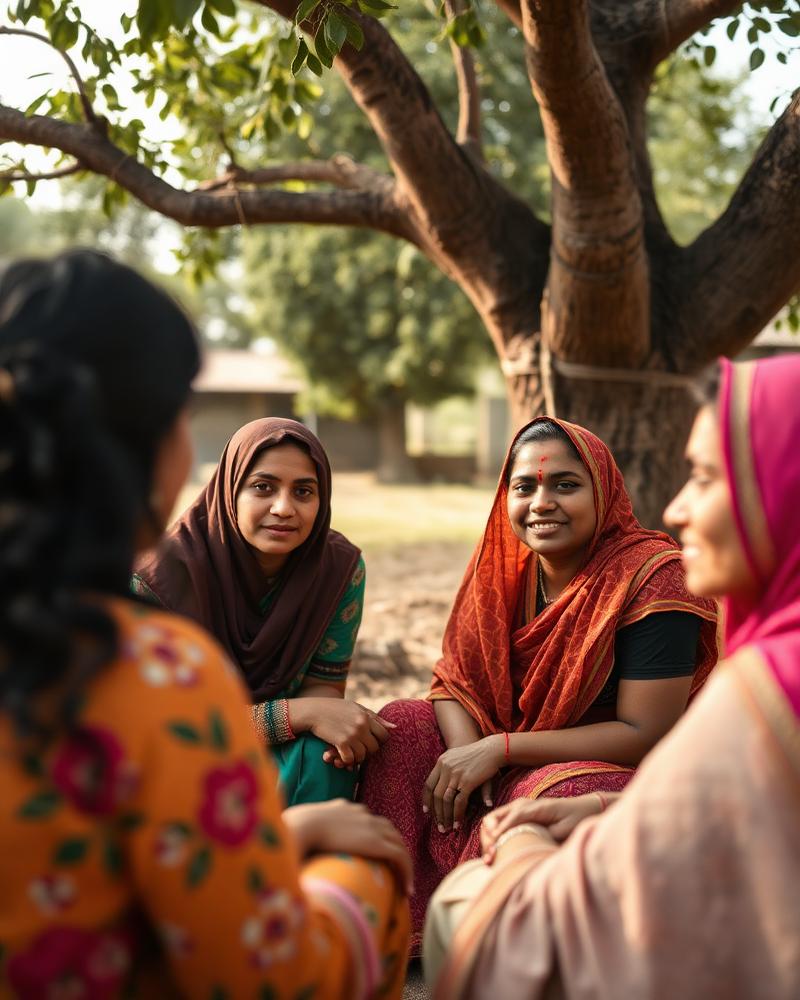
SSDR Foundation is dedicated to nurturing human potential through transformative soft skills education. We believe every individual carries the seed of greatness — our mission is to provide the nurturing environment where that seed can flourish. From professional development workshops to community outreach programs, we are building bridges to brighter futures across South Asia.
126+
Projects done212+
Happy clients134+
Cups of coffee
Our Mission & Vision
Mission
Vision SSDR Foundation is dedicated to nurturing human potential through transformative soft skills education. We believe every individual carries the seed of greatness — our mission is to provide the nurturing environment where that seed can flourish. From professional development workshops to community outreach programs, we are building bridges to brighter futures across South Asia.
Vision
Mission
0
Projects done
0
Happy clients
0
Cups of coffee
0
Photos taken
Our Programs
Transformative
Learning
Journeys
Carefully designed programs that blend theory, practice, and mentorship to create lasting personal and professional growth.
Testimonials
Voices of
Transformation
Lorem ipsum dolor sit amet adip selection repellat tetur delni vel quam aliq earu expel dolor eme fugiat enim amet sit dolor.T

Jim Morison T
Director, BATT
I really enjoyed and loved especially the Self Mastery program by SSDC. I've learned a lot of things and also noticed some magically visible change in myself. I didn’t even know when all those came into being. Thanks a lot to SSDC for providing such programs. It’s a pleasure to learn new things that I didn’t even know before or practising those which were known but are newly being practised. This helped me a lot to discover my potentiality that I always wanted to be in myself.
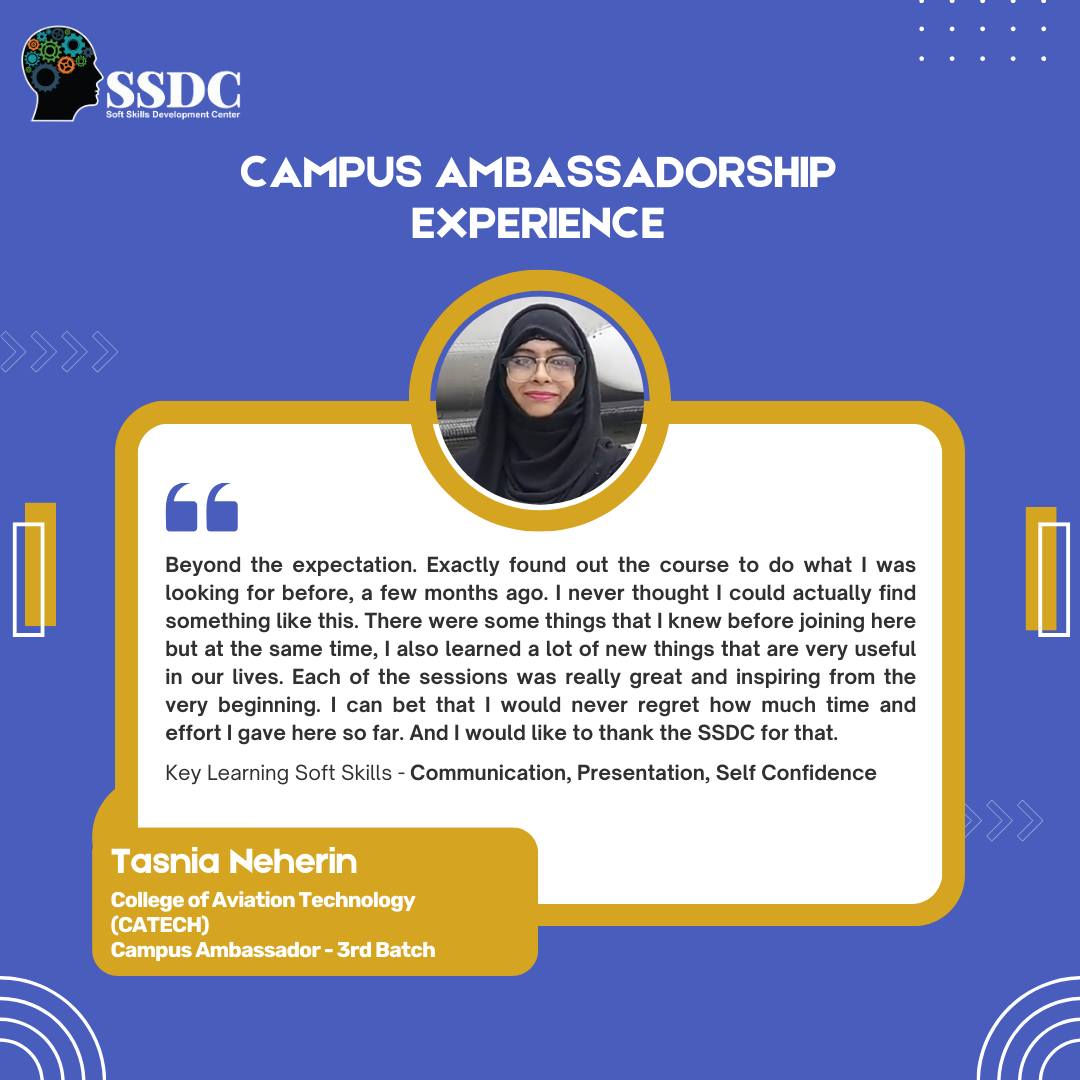
Tasnia Nehrin
Campus AmbassadorGallery
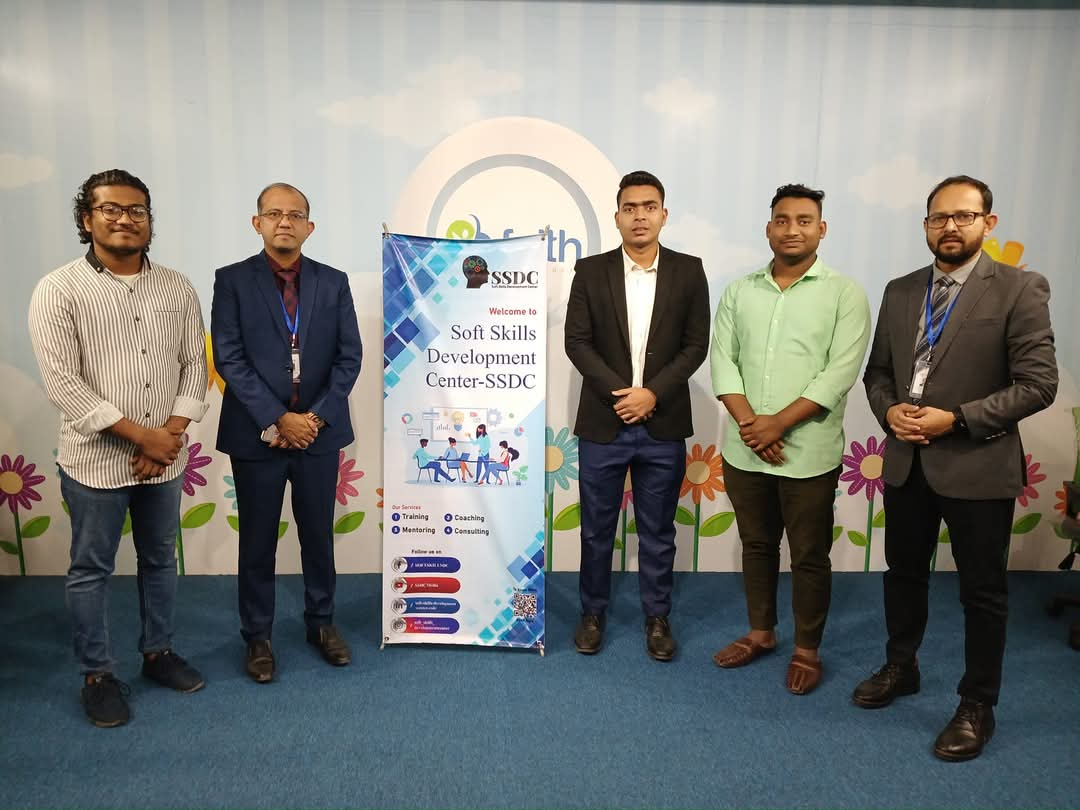
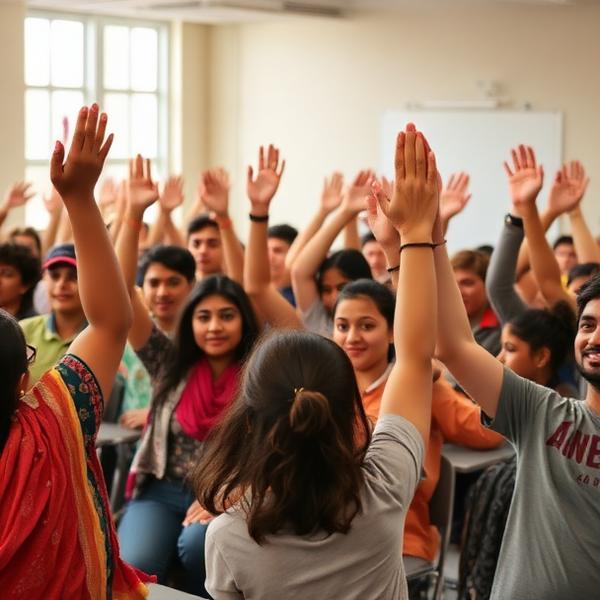
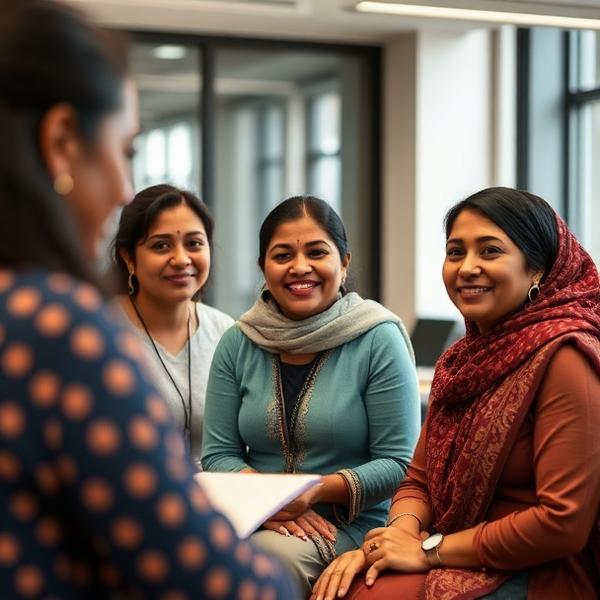
Moments That Matter
Glimpses from our workshops, community events, and the transformations that unfold every day.


Our Latest & Most Popular Tips & Tricks For You.

HUMAN EDGE: Why Soft Skills Are the New Power Skills in the Age of AI
Md. Shaiful Isalm, Founder and Chairman, SSDR Foundation. Director, FBHRO
Artificial Intelligence is rapidly reshaping industries, workflows, and expectations, a powerful shift is taking place across the global workforce. From predictive analytics to automated decision systems, AI is taking over routine tasks once performed by humans. Automation is accelerating efficiency, data analytics is redefining decision-making, and machine-learning models are assuming complex technical tasks. Yet, as organizations become more technologically advanced, a surprising trend is emerging: soft skills are becoming more valuable than technical expertise. In a world where machines think faster, humans must think deeper.
The New Reality: AI Cannot Replace Human Intelligence
AI can process vast amounts of data with speed and accuracy. It can optimize production, automate communication, and even support clinical decisions. But despite its power, AI lacks the very qualities that define human excellence—empathy, emotional intelligence, ethical judgement, creativity, and influence. This distinction has elevated soft skills, placing them at the center of employability, leadership, and organizational success.
This is why major global studies consistently highlight the rising importance of soft skills. The World Economic Forum reports that by 2027, 44% of job skills will change, and the top in-demand skills include creativity, resilience, emotional intelligence, and leadership. LinkedIn’s Global Talent Trends reveals that 92% of hiring managers value soft skills more than technical capabilities, and nearly 89% of hiring failures occur due to soft-skill deficits. Harvard and Stanford research further reinforces that 85% of job success is driven by soft skills.
AI may outperform humans in computation, but it cannot replicate relationships, trust, or inspiration.
Why Soft Skills Are the New Competitive Advantage
As organizations integrate AI into their operations, a new performance model emerges:
AI + Human Soft Skills = Sustainable Excellence
The combination of machine capability and human connection enables teams to innovate, navigate change, and collaborate effectively. The demand for emotional intelligence (EQ) has surged because leaders must motivate teams, manage stress, and build psychologically safe environments—tasks that no algorithm can perform. High-EQ leadership increases team performance by up to 33%, according to IBM.
Similarly, communication and influence have become critical. AI can present data, but humans must interpret, persuade, and align. Strategic influence—shaping decisions with clarity and empathy—is now considered a core leadership capability.
Critical thinking and cognitive flexibility also define success in the AI era. As AI offers recommendations, humans must evaluate context, anticipate consequences, and make ethical judgments. Creativity fuels innovation, as humans provide originality and imagination that AI cannot generate independently.
The Essential Soft Skills in the AI Regime
1. Emotional Intelligence (EQ)
The ability to understand and manage emotions—our own and others'. In an AI-assisted workplace, EQ determines:
· Team harmony
· Customer satisfaction
· Stress management
· Leadership credibility
IBM found that high-EQ leaders raise team performance by 33%.
2. Communication & Strategic Influence
While AI delivers data, humans deliver meaning. Effective communication—clear, compassionate, compelling—creates alignment and engagement. Influence is now the ultimate leadership skill, shaping:
· Organizational change
· Collaboration
· Decision-making
· Innovation adoption
3. Critical & Cognitive Thinking
AI provides answers. Humans provide judgment. Cognitive reframing, analysis, and balanced thinking allow professionals to interpret AI recommendations responsibly.
4. Creativity & Human Imagination
AI generates ideas; humans generate originality. Creativity drives:
· Product innovation
· Brand differentiation
· User experience design
· Breakthrough solutions
5. Collaboration & Relationship Management
Machines don’t build relationships—people do. Soft skills determine how teams:
· Negotiate differences
· Coordinate tasks
· Build trust
· Maintain morale
These skills define the success of AI-augmented teams.
Real-World Impact: Where Soft Skills Outperform AI
In healthcare, AI may detect anomalies in scans, but doctors deliver empathy and ethical decisions. In customer service, chatbots answer quickly, but humans handle emotional escalation and negotiation. In corporate strategy, AI analyzes trends, but leaders interpret social dynamics, team morale, and stakeholder needs.
These examples illustrate a core truth: technology supports business, but human skills drive business forward.
The Human Advantage
As AI continues to evolve, soft skills will remain the defining factor that separates high-impact professionals from the rest. The future belongs to individuals and organizations that can blend technological capability with human-centered skills.
In this shift, the SSDR Foundation stands as a catalyst—nurturing minds, shaping leaders, and building a generation capable of thriving in the age of AI.
Machines may power the future, but humans will lead it.
Conclusion: The Future Is Human-Centered
In the age of automation, soft skills have become power skills—the human capabilities that define leadership, culture, and innovation. The future will belong not to those who compete with AI, but to those who collaborate with it, adding emotional depth, creativity, and influence to machine intelligence.
As organizations navigate digital transformation, one principle stands clear:
Machines make work efficient. Humans make work meaningful.

COMPASSIONATE LEADERSHIP
Compassionate Leadership: Leading with Heart and Purpose
Compassionate leadership is a leadership style that integrates empathy, kindness, and emotional intelligence into decision-making and team management. A compassionate leader inspires, supports, and uplifts people while fostering a culture of trust, inclusivity, and shared growth.
Compassionate leadership is not about being weak or overly lenient—it’s about balancing kindness with strength, and empathy with accountability. A compassionate leader drives success not by fear, but by inspiring and empowering others.
Would you like insights on how to apply compassionate leadership in your organization or a specific field? This feature will help you
Be Part of the
Change
Whether you want to volunteer, donate, or partner with us — every contribution helps build a better future for communities in need.
Stay Connected
Join Our Community
Get updates on our programs, impact stories, and ways to get involved.